Business2 min readBy Fuorix
How to Hire a Software Development Company in the UAE Without Getting Burned
Most bad software projects in the UAE fail at the hiring stage, not the coding stage. The questions to ask, the contract terms that protect you, and the red flags that mean walk away.
We hear the same story from UAE business owners every month: they paid a deposit, the agency went quiet, the demo did not match the brief, and the final invoice was double the quote. None of that is bad luck. It is a hiring process that skipped a few questions.
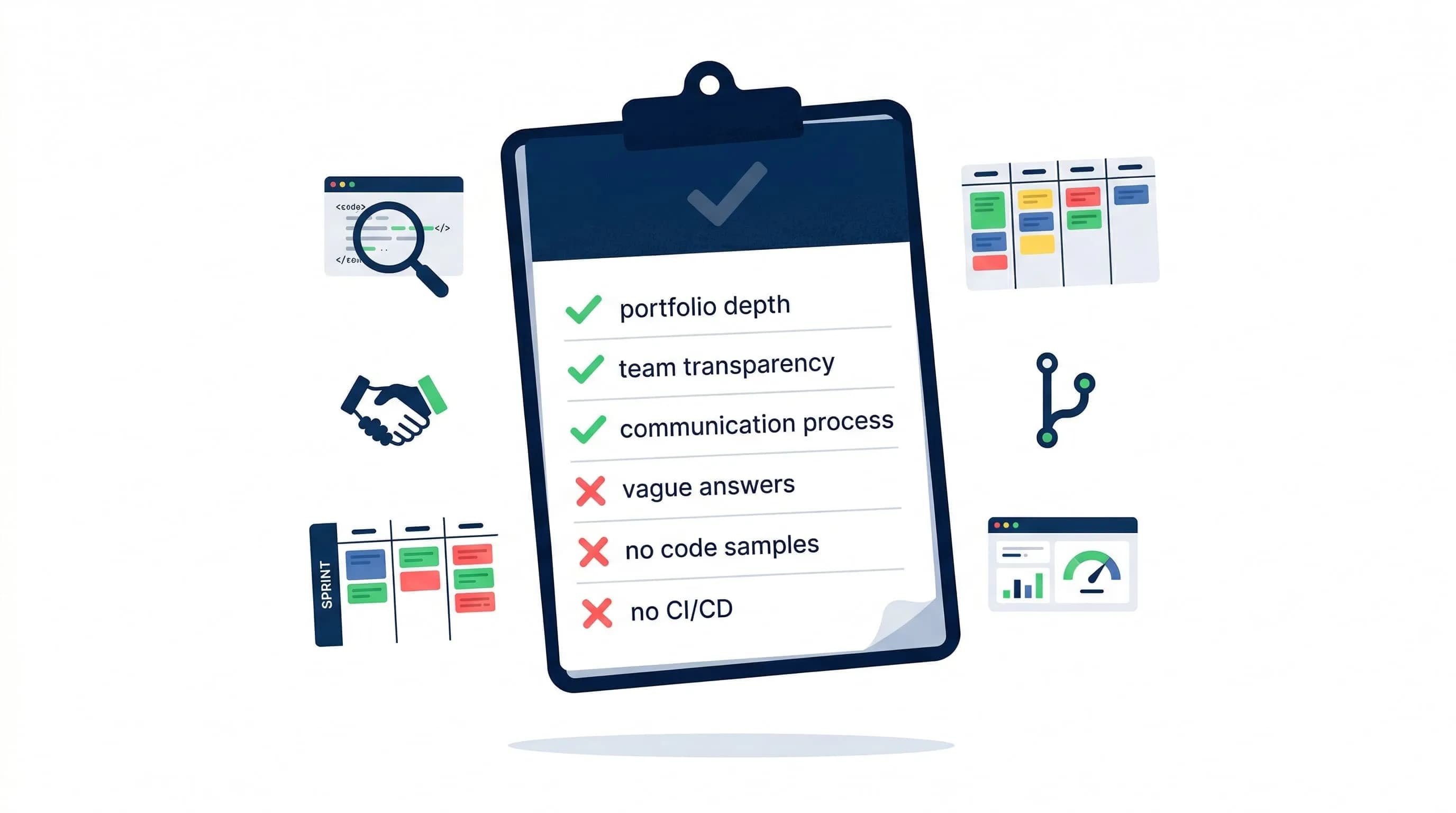
Before you read the checklist, here are the three things that protect you most:
- A written, fixed-price scope before any deposit. If the company cannot describe what you will receive in plain language with a price attached, they do not understand your project yet. We send one within 48 hours of a call, free.
- Weekly demos of working software, not slides. You should see your system running every week from week two.
- You own the code and the accounts. Domain, hosting, app store accounts and the source code should be in your name from day one.
Where the company is based matters less than how it communicates. We are a remote-first team headquartered in Lahore working on Gulf Standard Time, and our UAE clients get same-day answers. Ask any agency, onshore or offshore, the twelve questions below.
Portfolio depth matters more than breadth
A company that shows 50 screenshots is less valuable than one with 5 detailed case studies including architecture diagrams, performance metrics, and verified testimonials. Ask to see code samples, deployment pipelines, and monitoring dashboards — not just mockups. The best partners show their engineering process, not just design output.
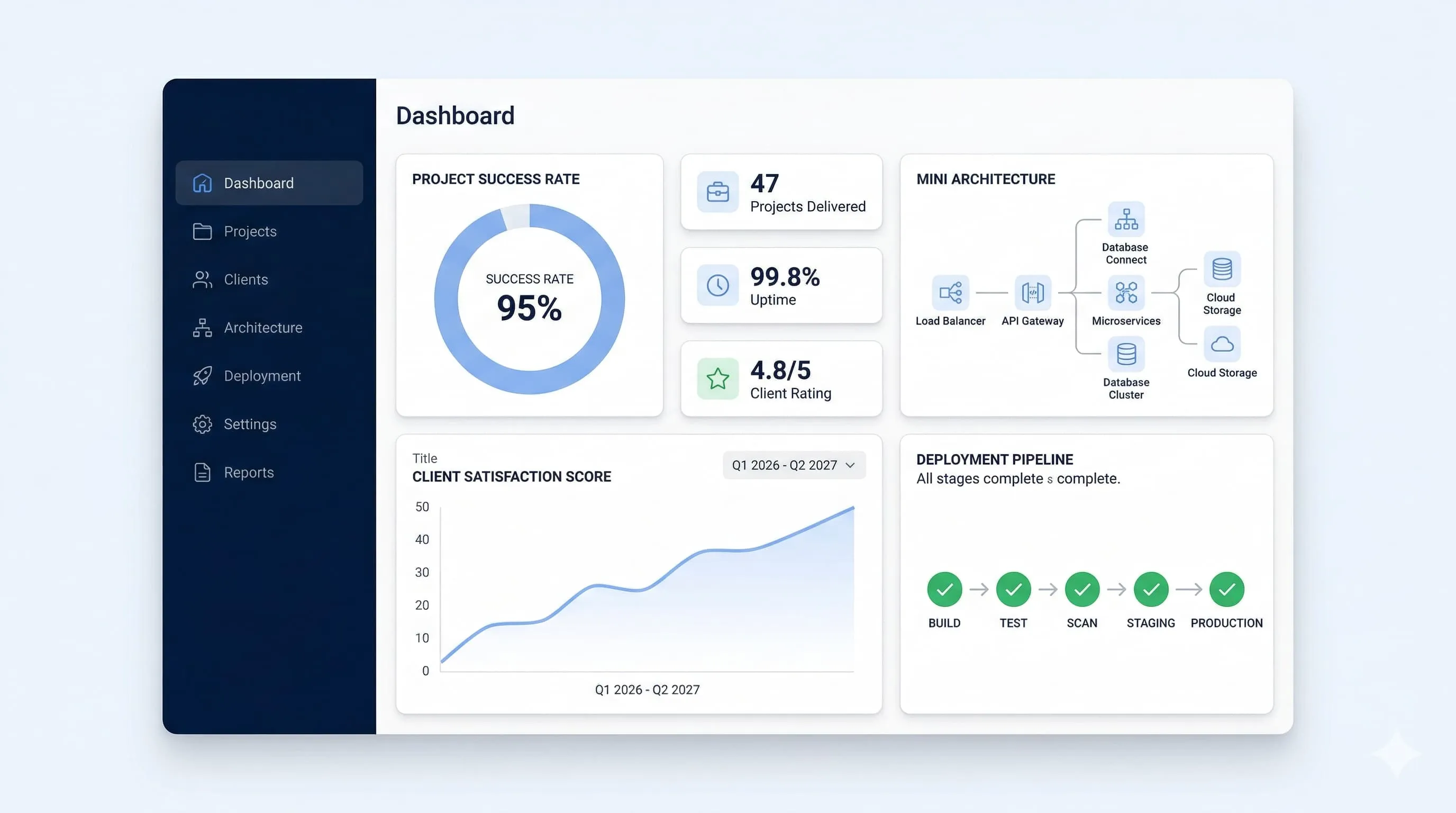 Look for measurable outcomes, not just screenshots
Ask exactly who will work on your project
The #1 bait-and-switch: seniors do the sales call, juniors do the work. Ask for specific names, LinkedIn profiles, and relevant project experience of every person who will touch your codebase. How many senior engineers (5+ years) vs junior (<2 years)? Companies that answer vaguely often staff projects with whoever is available.
Communication cadence and process transparency
The most common reason software projects fail isn't technical — it's communication breakdown. Establish sprint cadence, standup format, how blockers are escalated, where code is hosted, and how you'll access staging environments. The best companies give you access to project management, Git repos, and staging from day one.
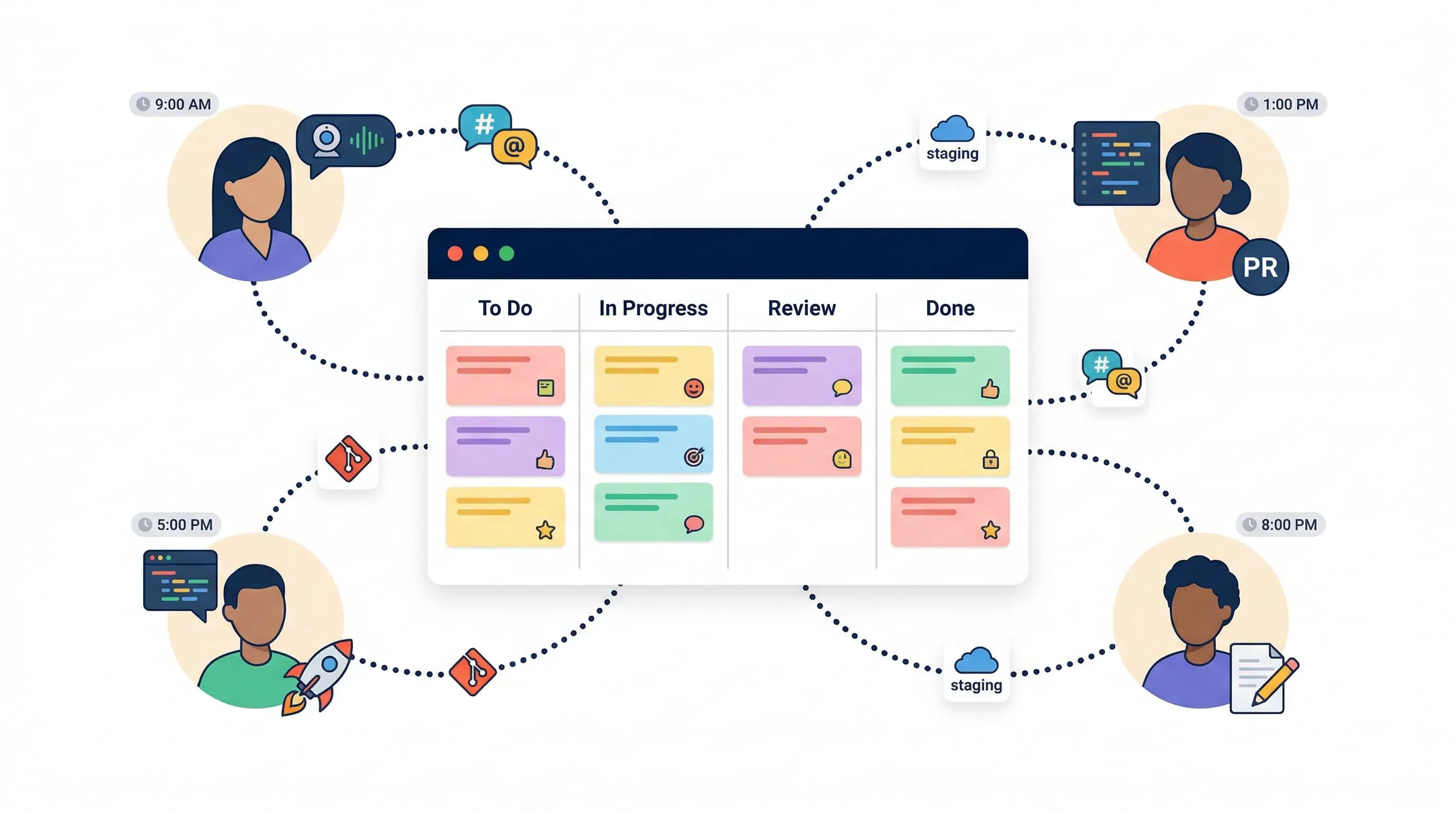 Transparent communication prevents the #1 cause of project failure
Fixed price vs time-and-materials pricing
Fixed-price contracts sound safe but often produce worse outcomes. When scope is fixed, teams have incentive to cut corners. Time-and-materials with weekly burn reports and sprint demos produces better software because incentives align. Budget 20% contingency regardless of pricing model.
Technical due diligence checklist
Verify: version control with PR reviews, automated tests, CI/CD pipeline, error monitoring, infrastructure-as-code. Ask for a sample pull request — the code quality, test coverage, and review comments tell you more than any sales presentation.
Post-launch support and knowledge transfer
Ask about SLA terms, monitoring setup, documentation, and knowledge transfer process. At Fuorix, every project includes 60 days of post-launch support, full documentation, and a structured handoff — because we know that's when the real value begins.
Need help with this?
We build the systems described in this article. Let’s talk about your project.
Keep reading
Related articles
PricingFebruary 5, 2026
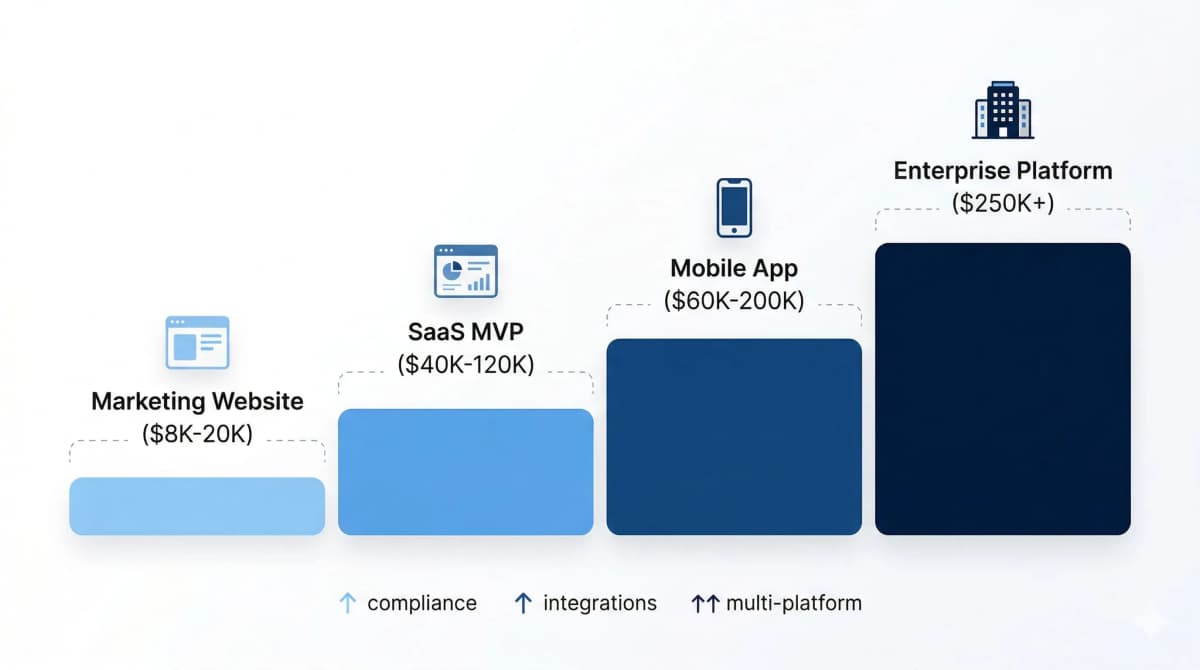
Custom Software Cost in 2026: Real Price Bands for UAE and UK Small Businesses
Forget the '$50,000 to $500,000' articles written for enterprises. Here are the fixed-price bands we quote small and mid-sized businesses in the UAE and UK, three worked examples, and the five things that move the price.
4 min read
Read article
StartupsJanuary 22, 2026
How Much Does an MVP Cost in 2026? Fixed-Price Examples from Real Builds
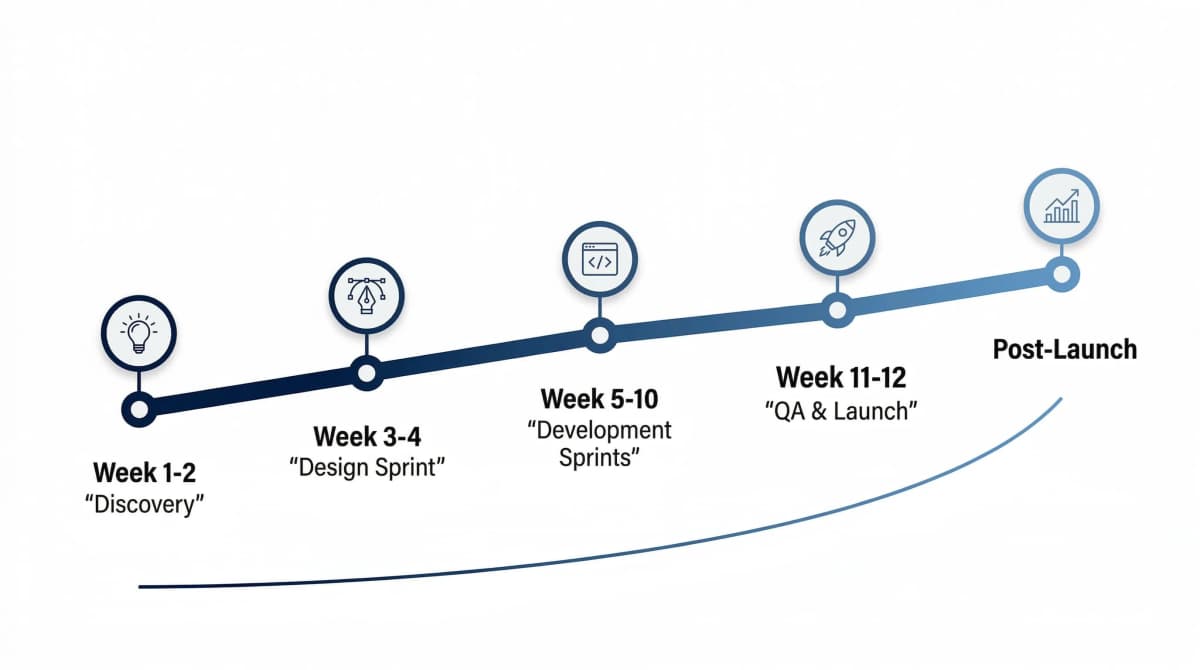
An MVP should cost a fraction of the full product, but only if it is scoped like one. Real price bands from marketplaces, SaaS tools and internal apps we have shipped, and the 12-week process behind them.
3 min read
Read article